No Car? No Problem: 4 Rail-Friendly Escapes from Toronto
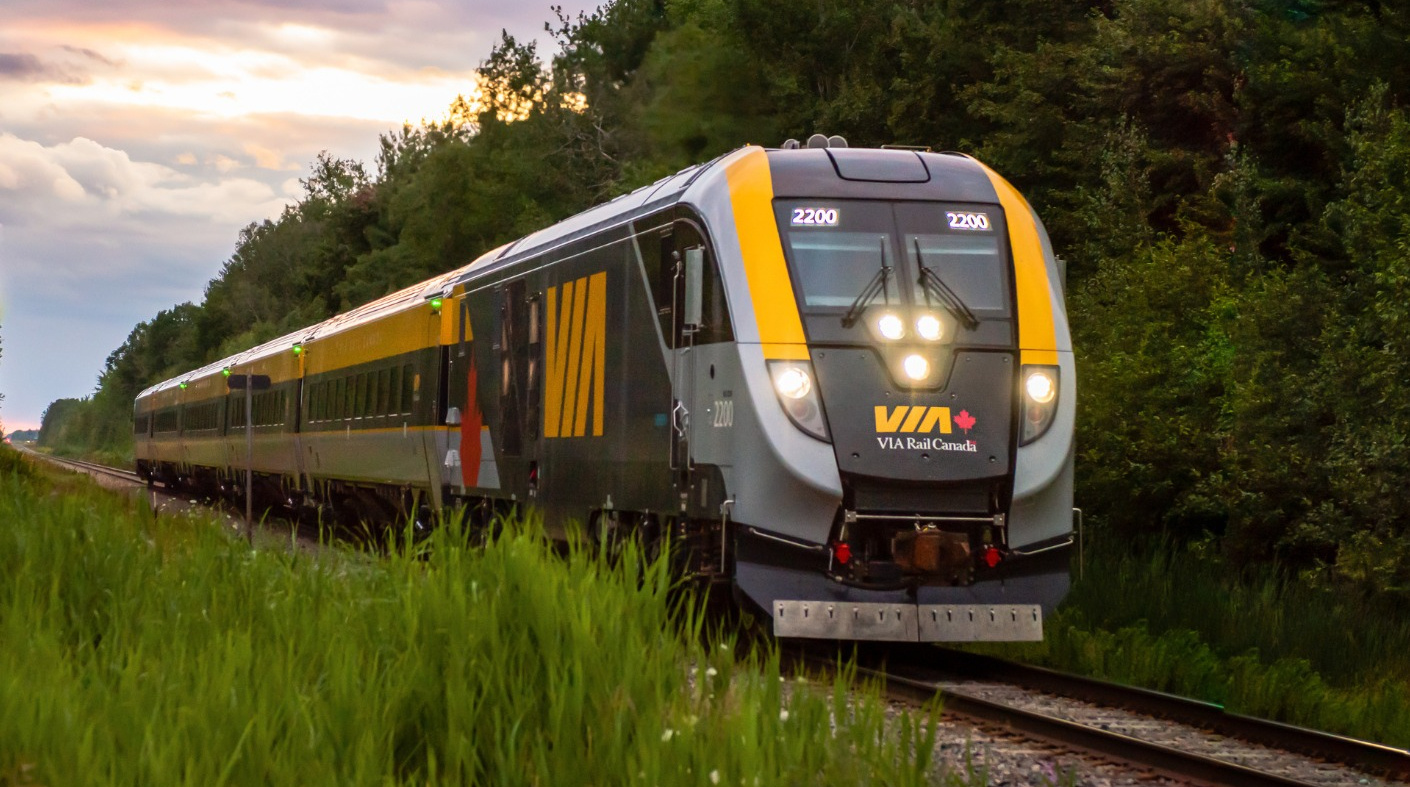
Travelling by train changes the shape of a trip. When a visit is built around a fixed kickoff time, rail travel makes it easy to wander beyond a main sporting event and explore what lies further down the line. There is no traffic to manage and no parking to hunt for. Instead, you arrive at walking speed, step into a place, and let it reveal itself gradually.
Along Ontario’s rail corridor east of Toronto, South Eastern Ontario offers a sequence of destinations that reward the slower approach by VIA Rail.
WORTH CHECKING OUT
Belleville
A quiet beginning shaped by water and ease
Belleville is an ideal first stop as you ease out of the city. It does not overwhelm or compete for attention. Instead, it invites you to slow down almost immediately.
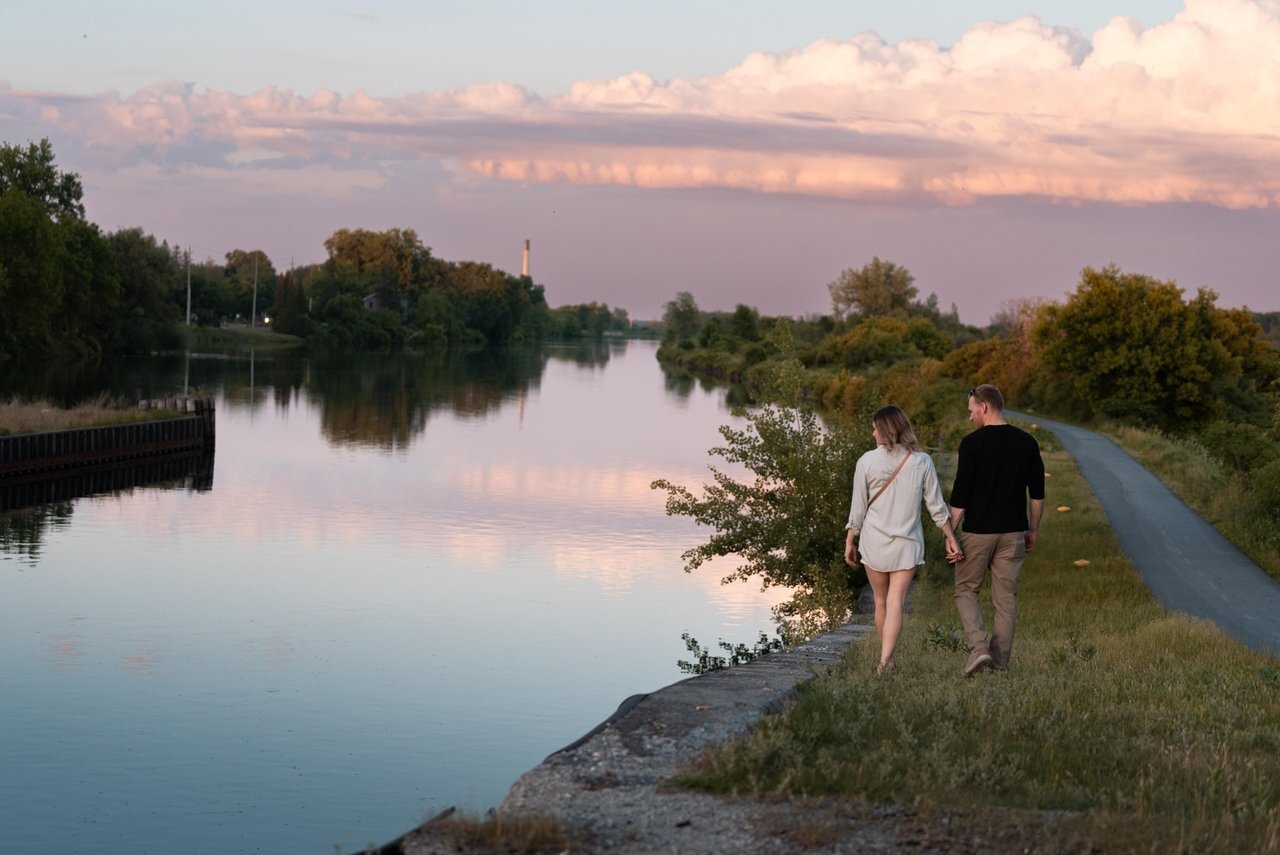
After a short cab ride from the station, begin along the waterfront at Zwick’s Park. Paved paths follow the edge of the bay, offering open views, shaded benches, and space to walk without an agenda. It is an unassuming stretch of green space, but it sets the tone for Belleville’s understated appeal.
Belleville’s charm often lies in what you discover between destinations rather than at a single landmark. For a deeper sense of place, the Glanmore National Historic Site is worth the short cab ride. The restored historic home adds texture and context, grounding the visit in Belleville’s past.
Where to eat
Downtown cafés are well suited to slow mornings, while waterfront patios and bistros offer relaxed dining later in the day. Belleville’s food scene is approachable and unfussy, designed more for lingering than spectacle.
Where to stay
Downtown and waterfront hotels such as Best Western Belleville provide a comfortable base within a short cab ride of the station and close to the city’s walkable core.
Trip Planning Made Easy
Belleville is about resetting your internal clock. It suits travellers who want to ease into the region, stretch their legs, and let the pace slow naturally.
Kingston
Where history, food, and waterfront meet at walking speed
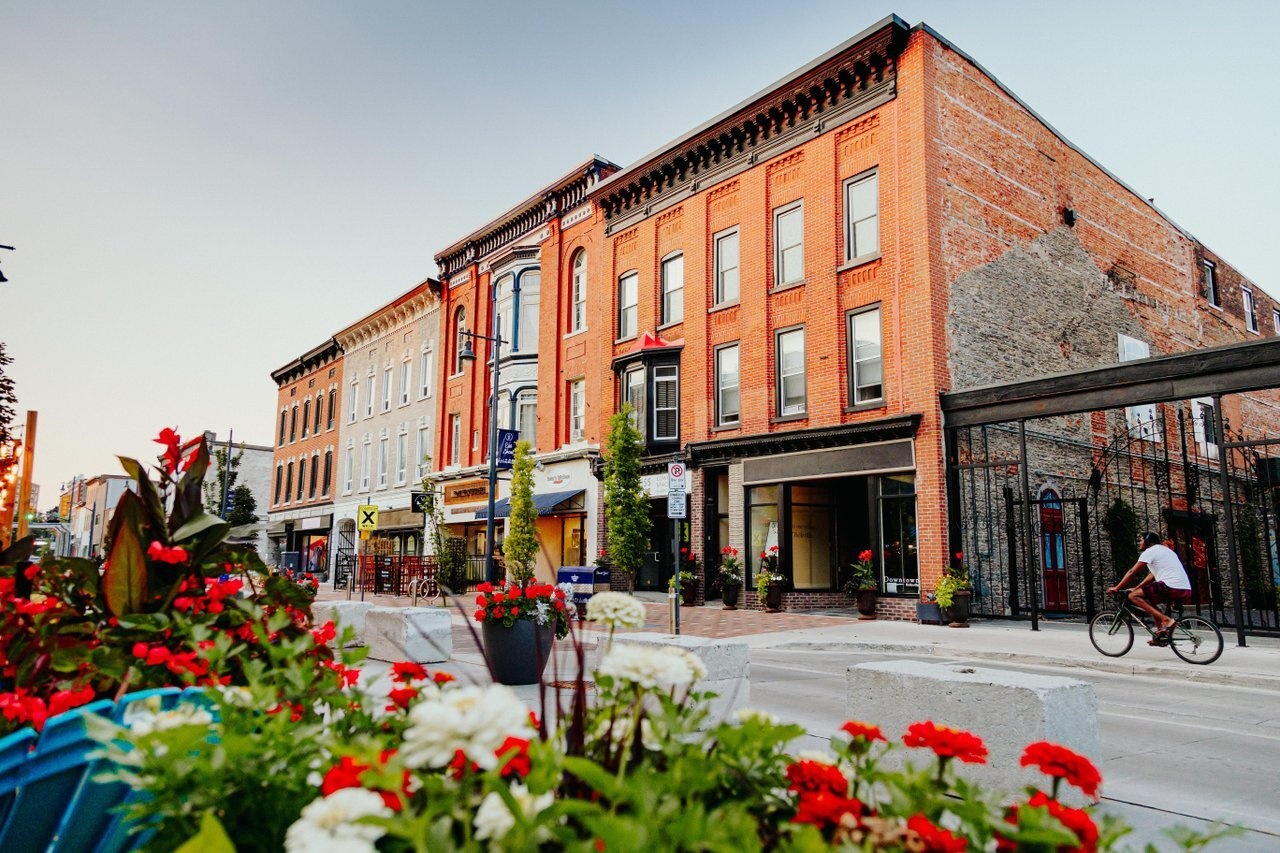
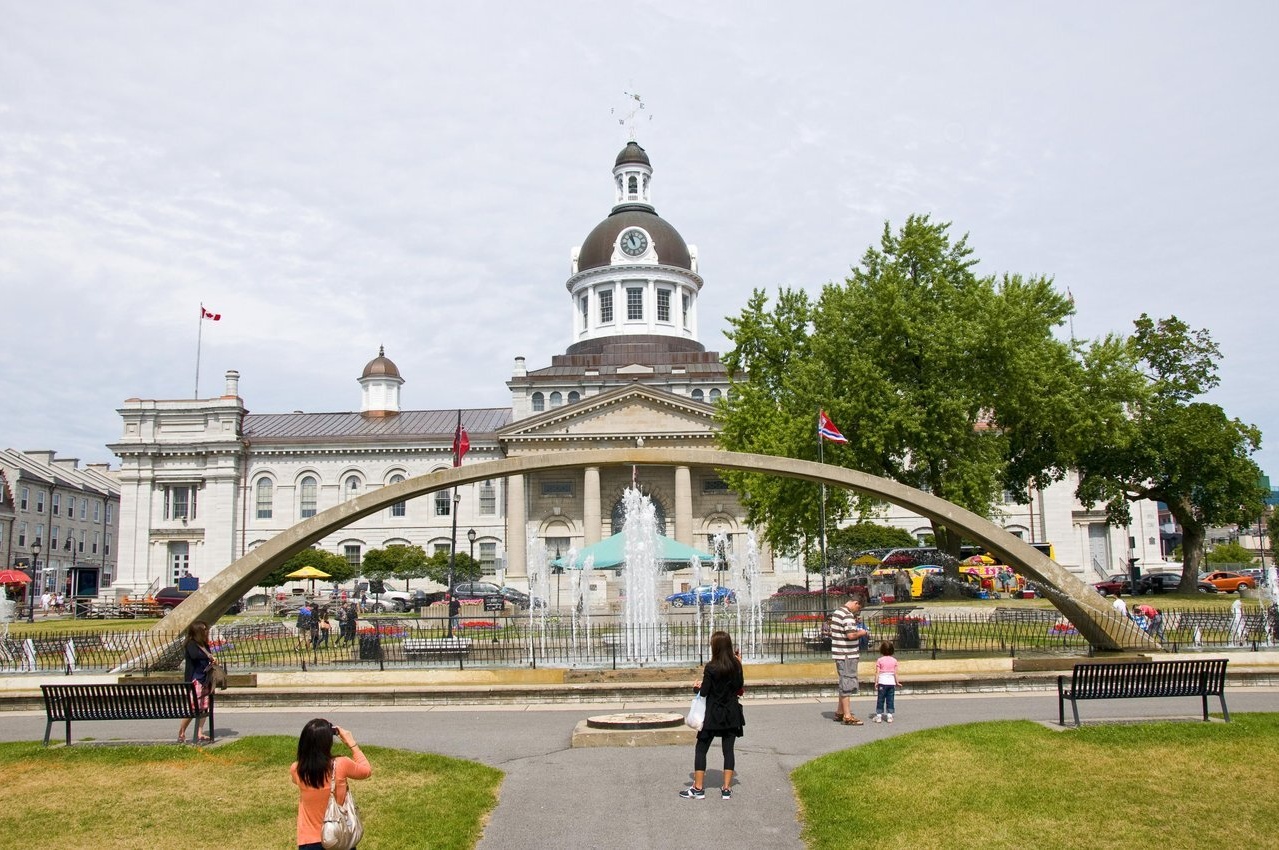
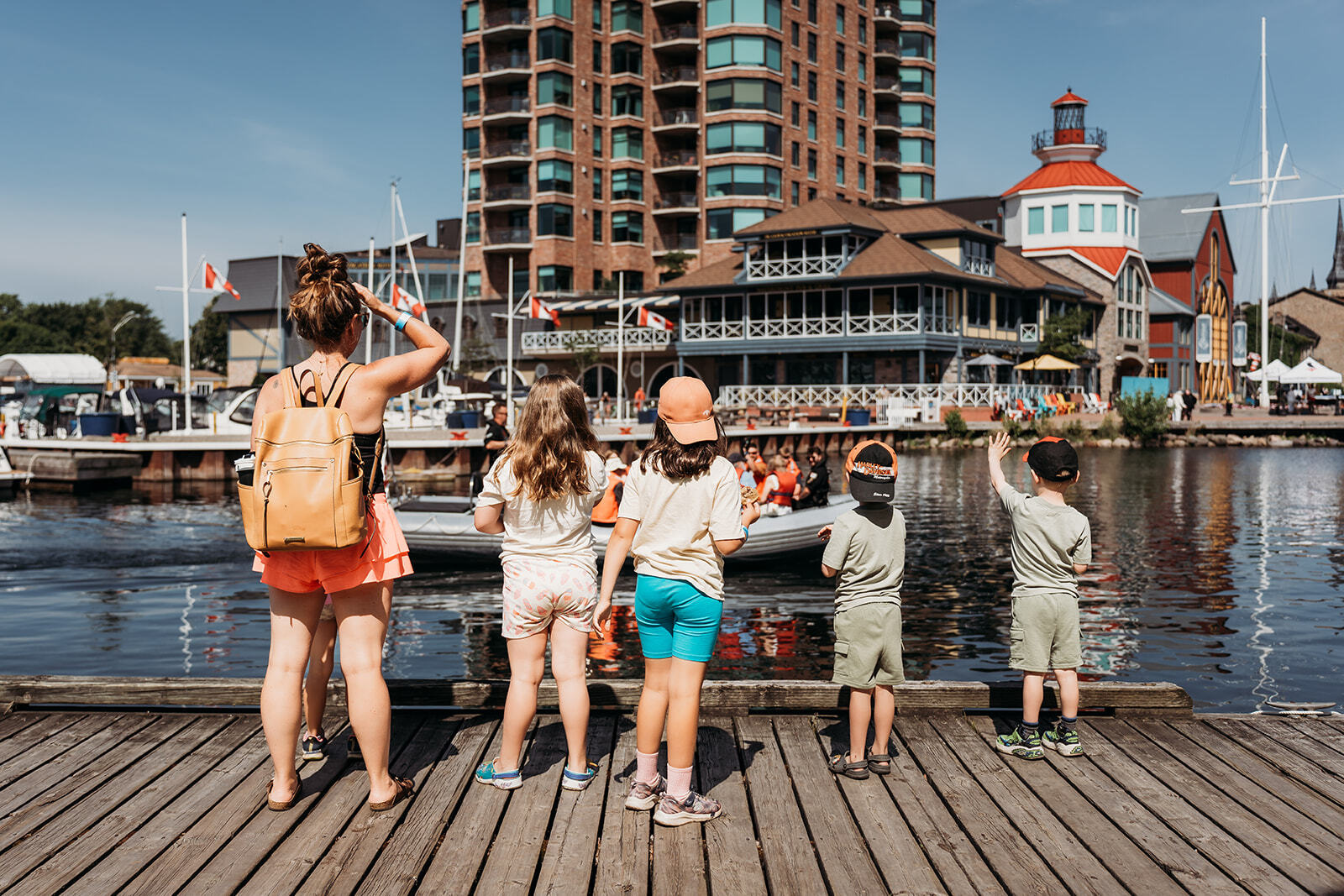
Kingston offers the greatest density of experience without requiring a vehicle. A short cab ride from the station places you in a downtown where limestone buildings, waterfront paths, and busy patios overlap in a way that feels energetic but manageable.
Begin near the harbour, walking along the water before drifting inland through streets lined with independent shops, galleries, and bookstores. Kingston rewards curiosity. Turn corners. Duck into cafés, and sit longer than planned.
Cultural landmarks such as Fort Henry and the Kingston Penitentiary are easily reached by taxi and provide a deeper historical context. Much of the city’s personality, however, is revealed in smaller moments between those sites. Check out the top attractions, which fluctuate each month. There are guided tours and sightseeing that are uniquely Kingston and waiting to be explored.
Interested in a show or event? Kingston’s walkable core supports a busy schedule of live music, theatre, and festivals, making it easy to plan around a show as much as a sightseeing stop.
This is where arriving by train works especially well, keeping visitors close to food and history without needing to plan beyond the day ahead. Once here, hop on a bus or grab a taxi. There are lots of options for easy commuting in the city.
Where to eat
Did you know that Kingston is widely recognized for having one of the highest numbers of restaurants per capita in Canada?
Kingston’s downtown is packed with locally owned restaurants, bakeries, and coffee shops. Patios near the water and tucked alongside streets offer plenty of options, often best discovered on foot.
What to explore quietly
Side streets off Princess Street, Martello Alley, and beautiful parks reveal Kingston’s quieter side, particularly in the morning or early evening.
Where to stay
Hotels close to the downtown core and waterfront, such as Delta Hotels Kingston Waterfront, allow travellers to stay central and keep the experience compact and car-free.
Why stop here
Kingston offers a wide range. It is ideal if you want variety and culture without the scale or friction of a larger city.
Trip planning made easy
Kingston is not just a one-hop stop. There is a lot to see, do and plan while in the city.
Brockville
A river town where the landscape sets the pace
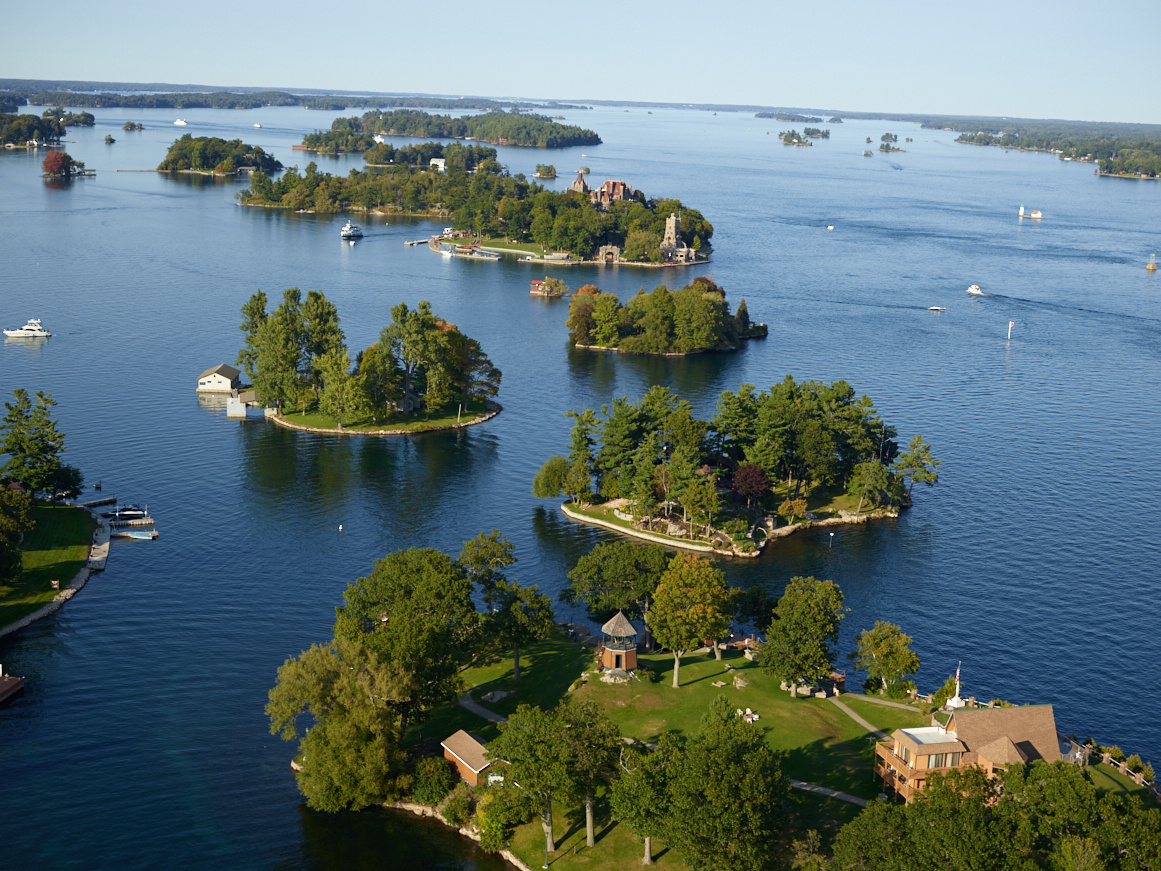
Brockville marks a noticeable shift in mood. The St. Lawrence River widens the horizon and slows everything down.
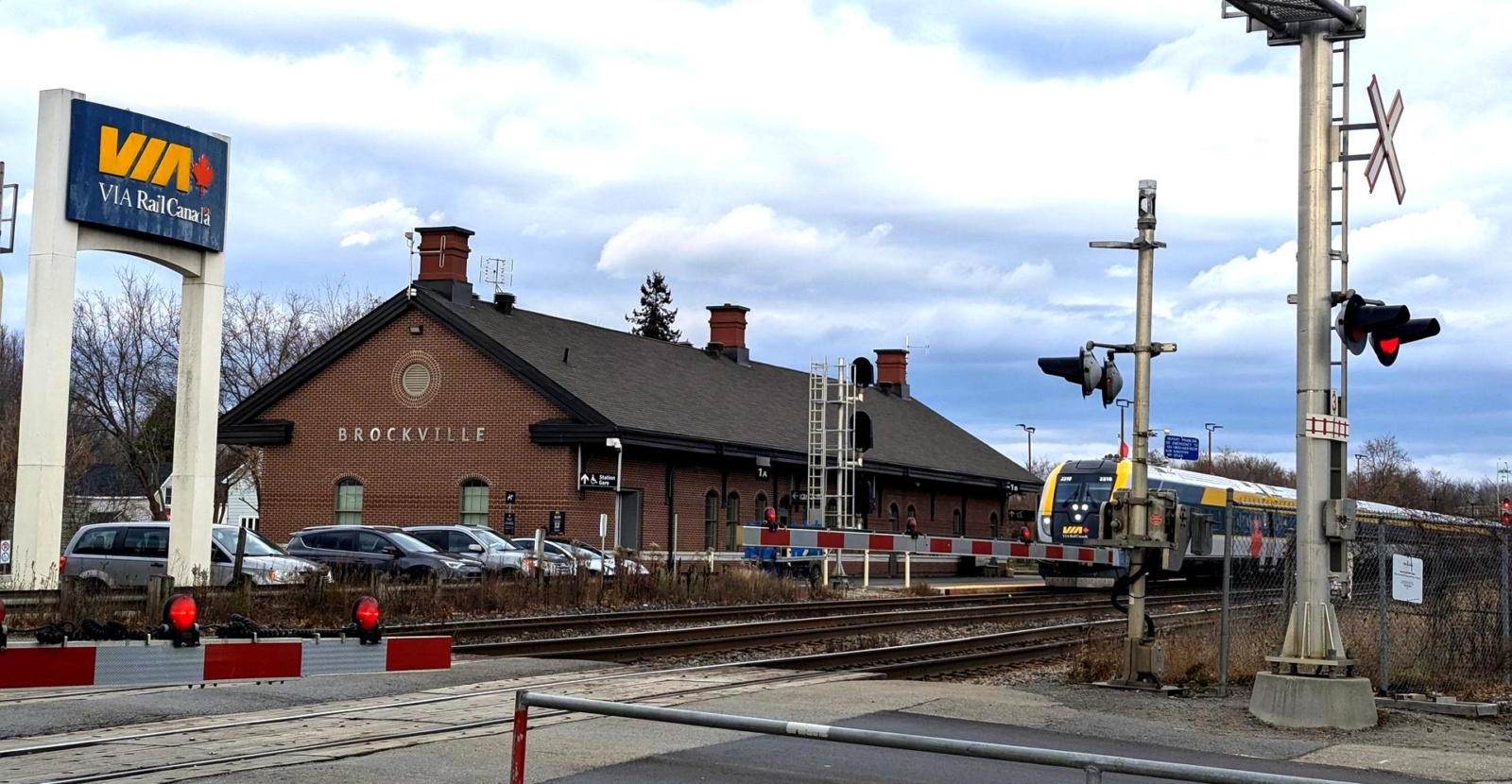
From the train station, walk toward the water and follow the paths through Brockville parks. Freighters pass close enough to watch in detail, and the constant movement of the river becomes part of the experience from Blockhouse Island.
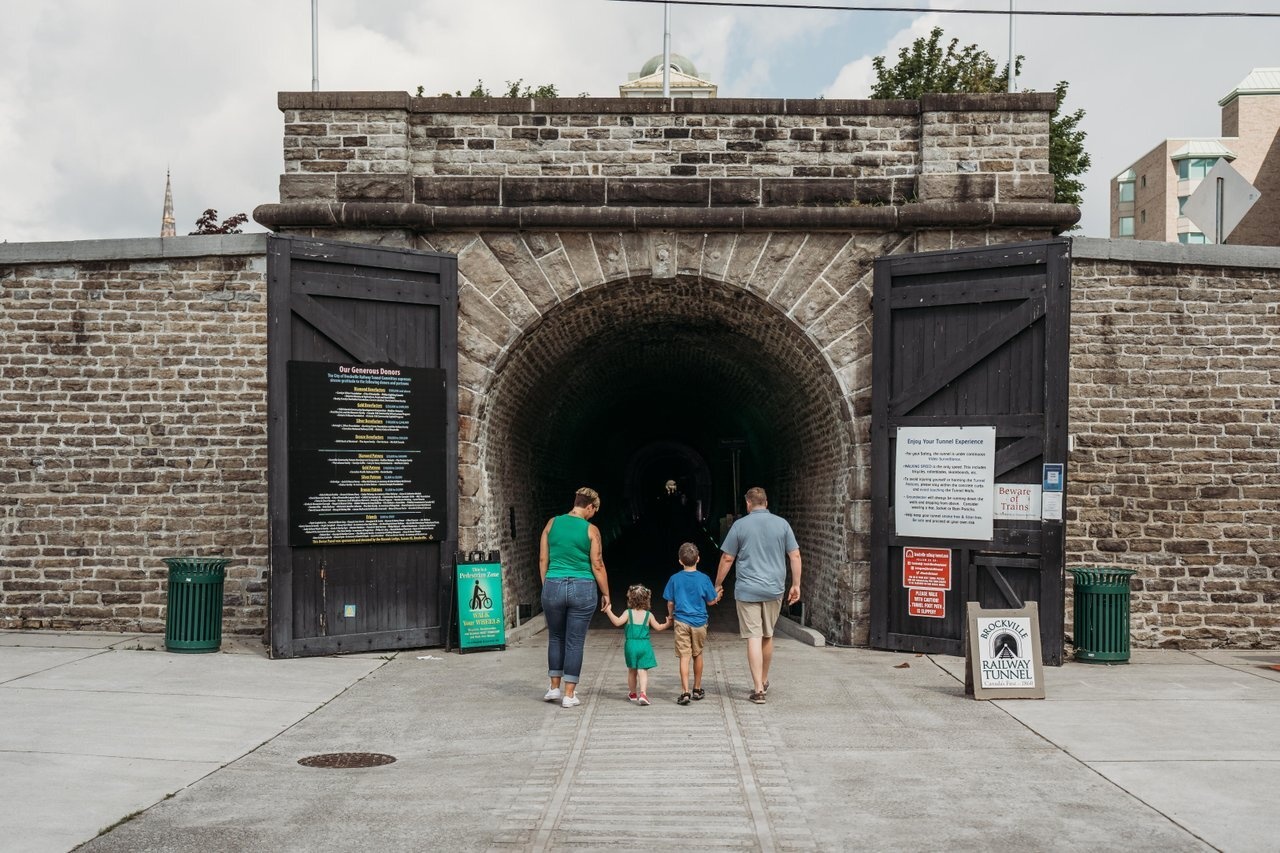
Downtown Brockville is compact and welcoming, with cafés, restaurants, and shops clustered within a few blocks. The Brockville Railway Tunnel is Canada’s first rail tunnel and is one of those places that feels hidden in plain sight, offering a distinctive walk that connects past and present.
In Brockville, rail travel places visitors almost immediately in the rhythm of the river, making it easy to arrive, walk, and settle in without complication. There is also a public transit option for scooting around the city.
Where to eat
Downtown restaurants emphasize relaxed dining, often with river views. This is a place for long lunches and unhurried evenings.
Where to stay
Waterfront accommodations such as Tall Ships Landing keep visitors close to walking paths, downtown dining, and the river’s edge.
Why stop here
Brockville suits travellers drawn to water, space, and a slower rhythm that encourages observation rather than itinerary-checking.
Trip planning made easy
While in Brockville, why not stay a day or a weekend? You won’t regret it.
Cornwall
A cultural crossroads shaped by the St. Lawrence
Cornwall anchors the eastern end of the journey with a character shaped by the river and the city’s layered cultural roots.
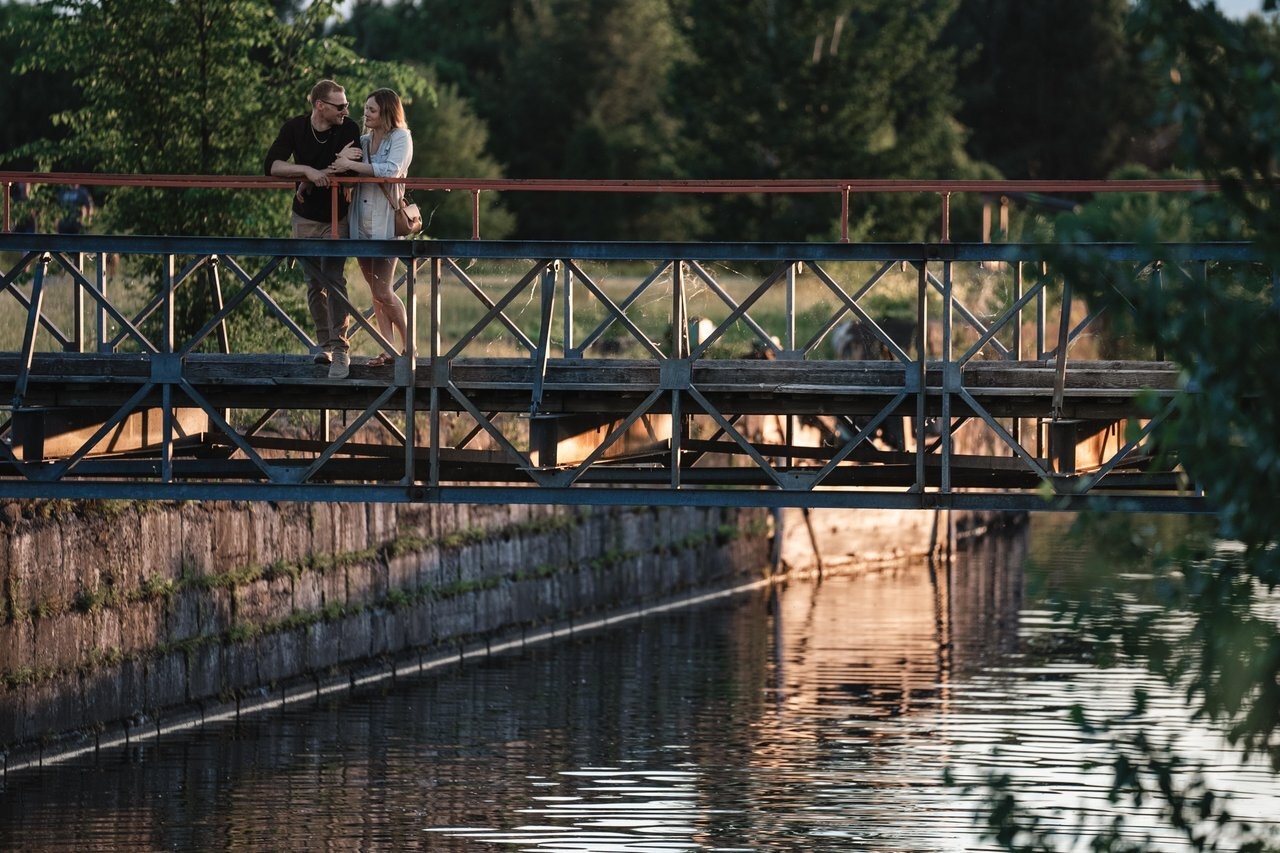
After a short taxi ride from the train station, explore the Cornwall Waterfront Trail, which stretches along the river and invites long, uninterrupted walks. Nearby parks offer green space close to downtown, balancing urban life with open views.
Cornwall’s food scene reflects its diversity, offering flavours and traditions distinct from other stops along the route. Downtown streets reward wandering, revealing restaurants and local businesses that feel rooted rather than curated.
Where to eat
Seek out locally owned restaurants downtown that reflect the city’s multicultural character. Food is one of the most direct ways to experience Cornwall’s identity.
What to explore quietly
Riverfront paths and parks offer uninterrupted outdoor time, while downtown streets provide glimpses of daily life shaped by the river and the borderland region. The Cornwall Museum, the nearby SD&G Historic Jail, or the Lost Villages Museum share the region’s colourful history and mysteries. They are just a short cab ride away and are interesting places to visit while in the area.
Where to stay
Hotels near the river and downtown, including Auberge Chesley’s Inn, keep travellers connected to walking routes and dining options without needing a car.
Why stop here
Cornwall offers cultural depth and river landscapes, making it a fitting endpoint for travellers who want to finish their journey somewhere grounded and reflective.
Trip Planning made easy
Make Cornwall more than just a Pitt (Street) stop.
Why rail brings it all together
Rail travel removes friction. Without the need to plan routes or parking, you can discover places as they unfold rather than as they are scheduled. These communities are built around compact cores where food, culture, and waterfront experiences begin close to the station.
In South Eastern Ontario, some of the best moments are right in front of you. Travelling by VIA Rail makes it easier to notice them.
Let this be the beginning. Explore our website for more of South Eastern Ontario, from waterfront walks to farm tables and everything in between.
Explore more of South Eastern Ontario