Kick Your Vacation Into South Eastern Ontario and Follow the Historic Corridor
Big events bring people together. Quiet places help them remember where they are.
Stretching along Lake Ontario, the St. Lawrence River, and the Rideau Canal, South Eastern Ontario offers travellers a chance to explore history one destination at a time. These communities developed around waterways, agriculture, defence, and commerce, leaving behind streetscapes, museums, and working landscapes that still shape daily life.
This historic corridor is not about rushing from place to place. It is about slowing down, choosing a stop, and discovering how each community adds another layer to the region’s story.
Belleville
Set where the Moira River meets Lake Ontario, Belleville emerged as an early gateway between inland communities and the lake. Long before it became a modern city, the area was shaped by Indigenous travel routes and later Loyalist settlement, with the river providing both access and industry.
During the 19th century, Belleville grew into a regional centre of manufacturing and transportation. Mills, foundries, and factories lined the riverbanks, powered by water and linked by expanding rail lines. The historic downtown still reflects that working-city past.
Top historic attractions in Belleville
- Glanmore National Historic Site
- National Air Force Museum of Canada
- Downtown heritage buildings
- Waterfront sites tied to early industry and transport
Prince Edward County
Prince Edward County’s history is rooted in Loyalist settlement and sustained by generations of farming, fishing, and lake access. Picton developed as a compact service centre for surrounding rural communities, and its main street still reflects that early role.
Long before the County became known for food and wine, agriculture shaped daily life here. Today’s wineries occupy land worked for centuries, offering a modern continuation of that history rather than a departure from it. Across the County, churches, cemeteries, and homesteads quietly trace the lives of those who built communities along the shoreline.
Top historic attractions in Prince Edward County
Kingston
Kingston stands as one of Ontario’s most historically significant cities. Positioned at the meeting point of Lake Ontario, the St. Lawrence River, and the Rideau Canal, it played a central role in military defence, trade, and early government. As Canada’s first capital, Kingston developed a layered streetscape where limestone buildings and waterfront fortifications reflect its strategic importance.
That history remains accessible today, concentrated within a walkable core shaped by defence and movement.
Top historic attractions in Kingston
- Fort Henry
- Bellevue House National Historic Site
- Kingston Penitentiary
- Marine Museum of the Great Lakes at Kingston
- Murney Tower Museum
Kingston’s maritime past comes into focus at the Marine Museum of the Great Lakes, where inland shipbuilding, navigation, and lake commerce are explored through the late 19th and early 20th centuries. Vessels from the steamship era illustrate how Great Lakes travel connected communities and industries across borders. That story is echoed by the SS Keewatin, a rare survivor of the Edwardian era whose design and service years reflect the same period that produced the great ocean liners.
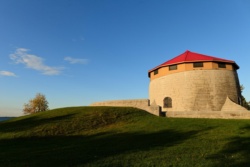
On land, Murney Tower offers a direct view of the harbour approaches that once mattered most. Rising from the waterfront, the tower underscores Kingston’s role as a city shaped by defence, shipping lanes, and the movement of people and goods through the St. Lawrence system.
1000 Islands Rideau Canal Waterways
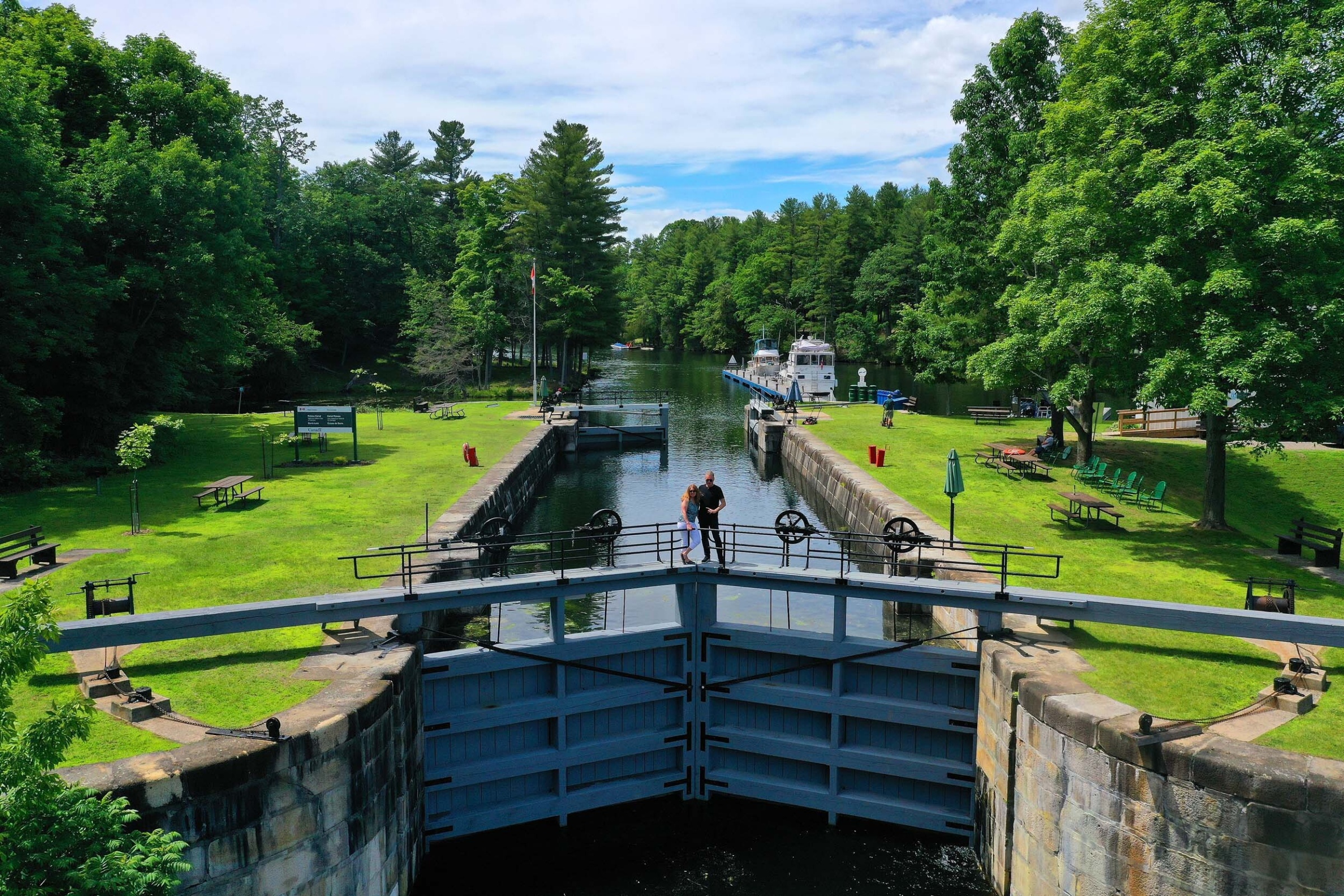
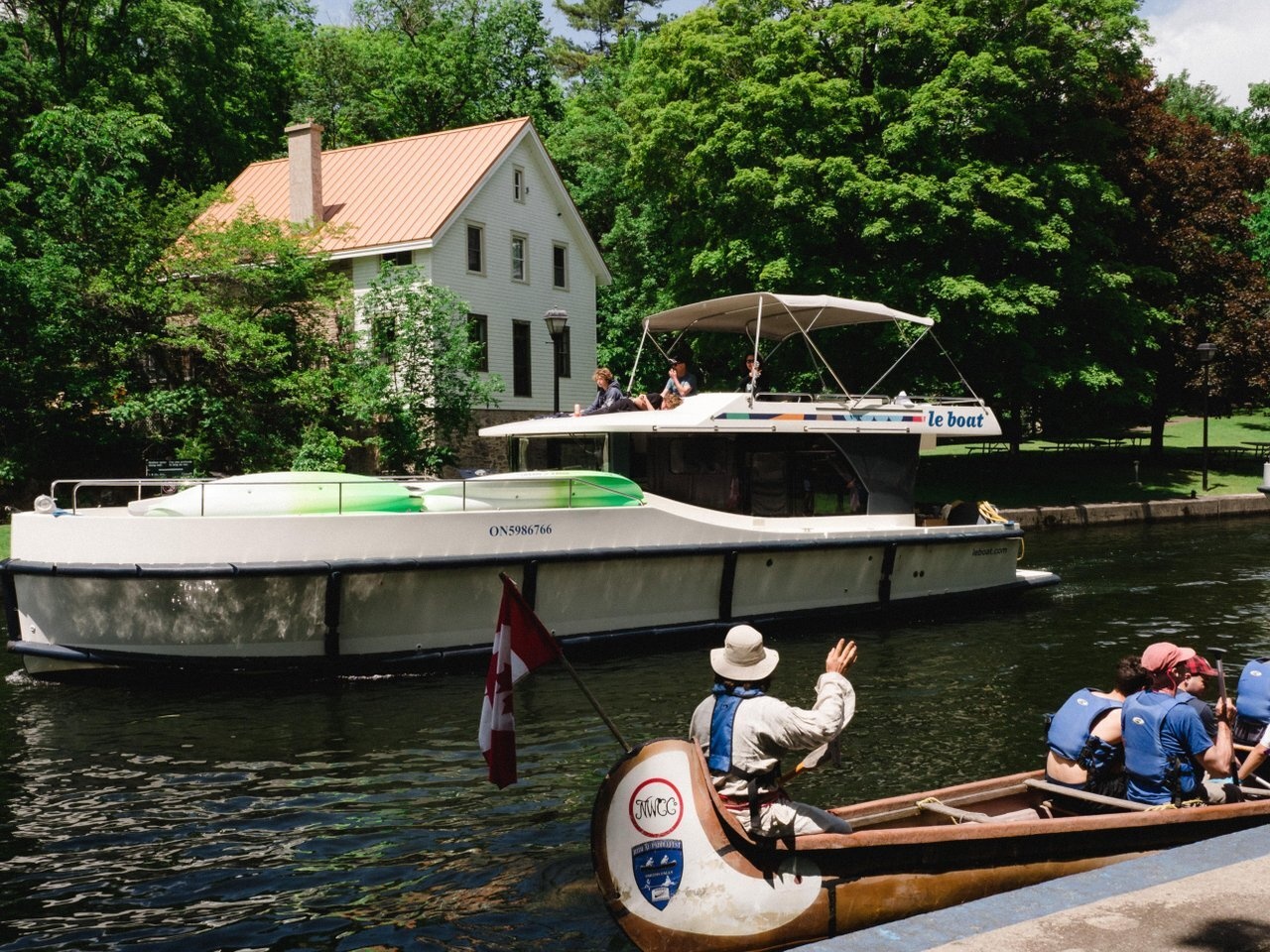
The Rideau Canal is one of South Eastern Ontario’s defining historic features. Built in the early 19th century for military defence, it later became a vital commercial and recreational waterway linking Kingston to Ottawa. The canal’s locks, stonework, and lockstations remain remarkably intact.
With 2026 marking a significant anniversary for the canal, this region offers a timely opportunity to explore one of Canada’s most ambitious engineering achievements.
Top historic attractions along the Rideau Canal
- Rideau Canal locks
- Merrickville’s historic village core
- Lockstations and canal infrastructure
- UNESCO World Heritage designation sites
Brockville developed as a key port along the St. Lawrence River, its fortunes tied to shipping, customs, and cross-border trade. The river defined opportunity here, shaping both industry and daily life.
Today, Brockville’s historic sites reflect innovation and ambition during a period when transportation transformed communities along the river.
Top historic attractions in Brockville
- Brockville Railway Tunnel, Canada’s first
- Fulford Place National Historic Site
- St. Lawrence River waterfront heritage areas
The history of Stormont, Dundas and Glengarry (SDG Counties) is inseparable from the St. Lawrence River and the sweeping changes brought by mid-20th-century modernization. Nowhere is that more evident than in the story of the Lost Villages.
In the 1950s, entire communities were relocated to make way for the St. Lawrence Seaway, submerging homes, farms, churches, and main streets beneath newly raised waters. Their legacy is preserved today through museums and interpretive sites along the parkway.
Top historic attractions in Stormont, Dundas and Glengarry
Together, these six destinations trace a historic corridor shaped by water, movement, and settlement. There is lots to discover here about the region’s past and present.
For visitors looking to experience Ontario beyond its largest city, South Eastern Ontario offers history that is accessible, and walkable.. Here is where the stories live in the streets, along the shoreline, and in the communities themselves.
Ready to go deeper? Browse our website for more routes, restaurants, rural escapes, and experiences that turn a quick visit into something longer.
READ ALSO